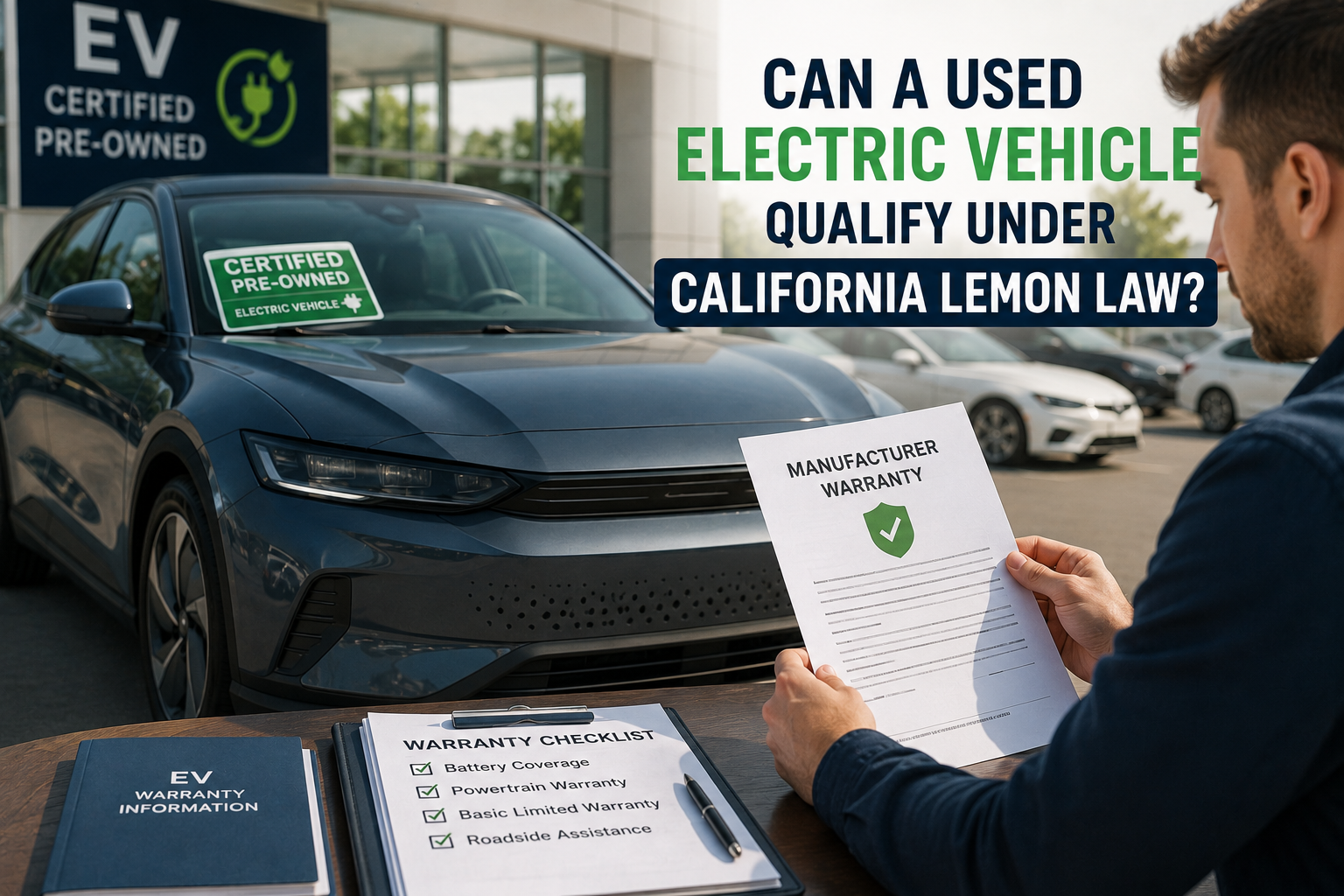
Buying a used electric vehicle can be an affordable way to switch to electric driving without paying the price of a brand-new EV. However, a used EV can also come with battery problems, charging failures, software errors, and other defects that may be expensive or difficult to repair.
When the same problem keeps returning, many owners ask whether California Lemon Law only protects people who purchased new vehicles. A used electric vehicle may qualify for protection in certain circumstances, particularly when the defect arose while the vehicle was covered by the manufacturer’s original warranty.
The fact that an EV had a previous owner does not automatically prevent a claim. Warranty status, repair history, the type of defect, and the manufacturer’s attempts to fix the vehicle can all affect whether legal protections may apply.
Owners who are unsure whether their vehicle has a serious defect can also review Signs You May Have a Lemon Car and What to Do About It.
Does California Lemon Law Cover Used EVs?
California Lemon Law may cover a used electric vehicle when it is still protected by the manufacturer’s original express warranty. The important issue is not simply whether the vehicle was purchased new or used. Instead, the claim generally depends on whether the manufacturer had warranty obligations when the defect developed and when repairs were requested.
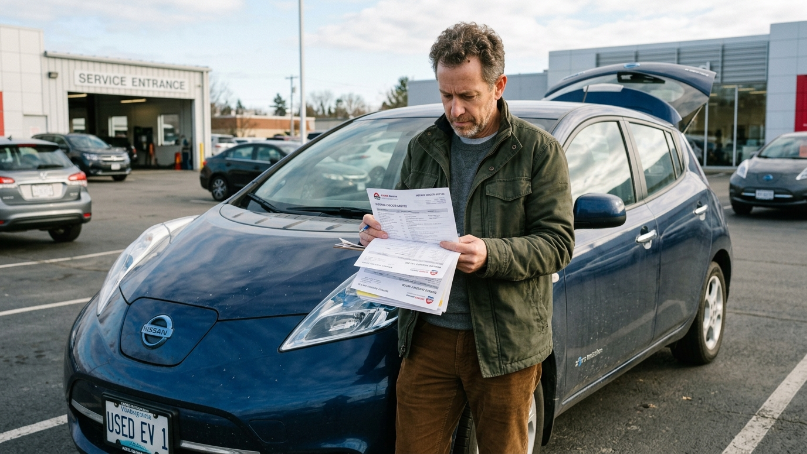
For example, a buyer may purchase a two-year-old EV with part of its factory warranty still remaining. If a covered battery, charging, or software defect develops during that warranty period and the manufacturer cannot fix it after a reasonable number of attempts, the owner may have grounds to investigate a lemon law claim.
A used EV sold without any remaining manufacturer warranty may present a more complicated situation. A dealer warranty, service contract, or extended protection plan is not always treated the same as the manufacturer’s original warranty. Owners should carefully review the source, duration, and terms of every form of coverage.
The Manufacturer’s Original Warranty Matters
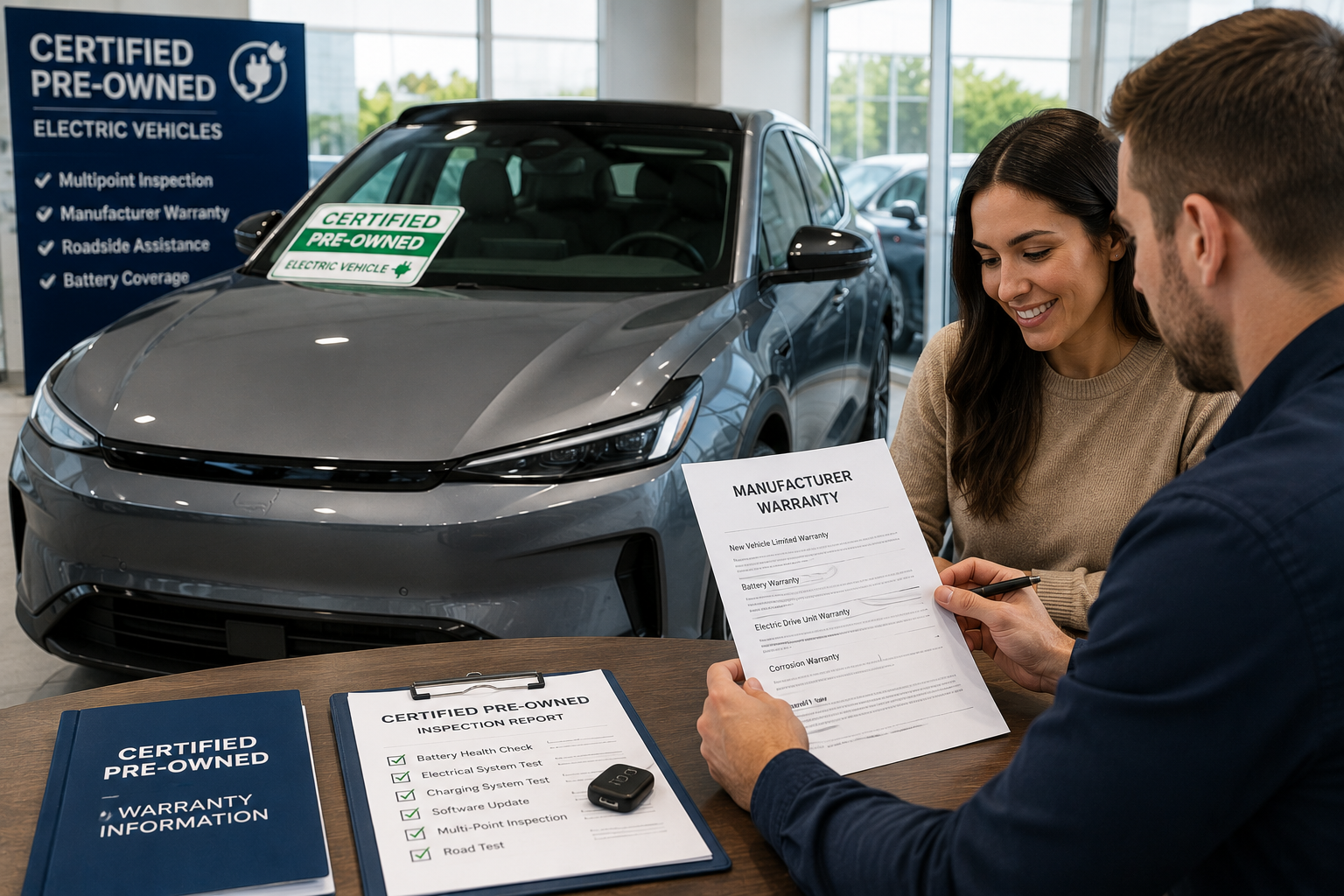
The manufacturer’s original warranty is one of the most important documents in a used EV claim. It may include several different forms of coverage, such as a limited vehicle warranty, electric powertrain warranty, battery warranty, restraint system warranty, corrosion warranty, or coverage for specific emissions-related components.
These warranties may have different mileage and time limits. The main vehicle warranty might expire before the battery warranty. As a result, a battery defect could potentially remain covered even when unrelated parts of the vehicle are no longer protected.
Used EV owners should obtain a copy of the warranty booklet and confirm the vehicle’s original in-service date. The in-service date is usually when the vehicle was first sold, leased, or placed into use. It may be earlier than the date on which the current owner purchased the vehicle.
How Certified Pre-Owned Coverage May Affect a Claim
A certified pre-owned electric vehicle is usually inspected and sold through a manufacturer-authorized dealership. Depending on the program, it may include remaining factory coverage, an additional limited warranty, roadside assistance, or other benefits.
Certified pre-owned status can provide useful protection, but it does not guarantee that an EV is defect-free. A vehicle may still develop battery, charging, software, or safety-system problems after the purchase.
Review Who Issued the Warranty
Buyers should determine whether the certified warranty was issued by the vehicle manufacturer, the dealership, or a third-party company. This distinction may affect who is responsible for repairs and what legal remedies may be available.
Do not rely only on dealership advertising or verbal promises. Review the written warranty documents and save a copy of the certified inspection report, purchase contract, vehicle history report, and any additional coverage agreements.
Check for Prior Repair Attempts
Some used EVs were serviced repeatedly before being resold. A previous repair history may reveal recurring battery warnings, failed charging sessions, software updates, sensor errors, or replacement parts.
Ask the seller for available service records and check whether the dealership can provide warranty repair history. Prior repairs may help show when a defect began, although access to records can vary.
Battery Defects That May Affect a Used EV
The high-voltage battery is one of the most valuable components in an electric vehicle. Battery performance naturally changes over time, but unusual or severe problems may indicate a defect rather than ordinary aging.
Rapid or Abnormal Battery Degradation
EV batteries gradually lose some capacity. However, a sudden or excessive reduction in usable range may be a sign of a battery, cell, cooling, or battery-management problem.
The manufacturer may compare the battery’s measured capacity with its warranty standards. Owners should request copies of diagnostic reports instead of relying solely on a verbal statement that the battery is operating normally.
Failure to Charge
A used EV may refuse to charge at home, fail at public charging stations, stop charging before reaching the selected limit, or repeatedly display charging errors. These problems may involve the battery, onboard charger, charging port, control module, or software.
Because charging equipment can also malfunction, owners should document failures at more than one compatible charger when it is safe and practical to do so. Photos, app records, timestamps, and charging receipts may help show a repeated pattern.
Battery Warning Messages
Warnings such as “service high-voltage system,” “battery fault,” “charging unavailable,” or “reduced power” should not be ignored. Save a photo or video before turning off the vehicle because some warnings may disappear after restarting it.
Unexpected Power Loss
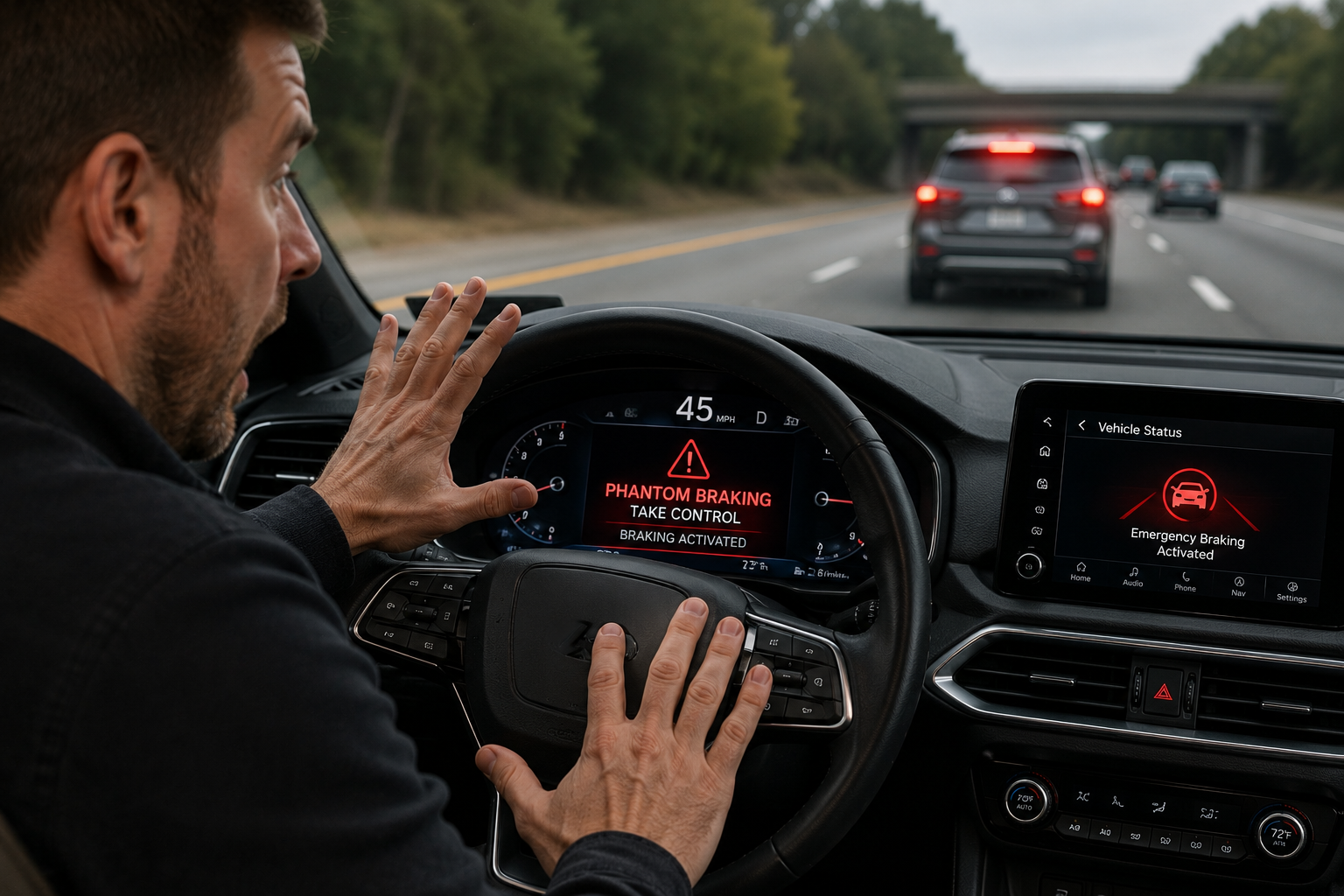
A sudden loss of power, inability to accelerate normally, shutdown, or reduced-power mode can create a serious safety concern. The owner should report the exact symptoms to an authorized repair facility and make sure they are written accurately on the repair order.
Software and Electronic Defects in Used EVs
Electric vehicles depend heavily on software. Code and electronic modules may control charging, battery temperature, range estimates, regenerative braking, driver-assistance systems, navigation, cameras, and dashboard displays.
A dealership may attempt to correct a problem by updating software, resetting a module, recalibrating sensors, or installing an over-the-air patch. These actions should be documented, especially when the same symptom returns.
A software repair can still be important to a lemon law claim. The repair does not necessarily have to involve replacing a physical component. What matters is whether the manufacturer or its authorized facility attempted to correct the reported warranty defect.
How Many Repair Attempts Are Required?
There is no single number that automatically determines every California Lemon Law claim. The law generally considers whether the manufacturer was given a reasonable number of opportunities to repair a defect covered by its warranty.
The number considered reasonable may depend on the seriousness of the problem, whether it creates a safety risk, how often it occurs, and how long the vehicle has been unavailable. A dangerous loss-of-power problem may be treated differently from a minor display issue.
Time in the repair shop may also be relevant. Owners should track each day the vehicle remains with the dealership, including delays involving diagnostics, software review, replacement batteries, or backordered parts.
For a general explanation of the process, read The Step-by-Step Process for Filing a Lemon Law Claim.
Documents Used EV Owners Should Keep
Good documentation can help establish the vehicle’s warranty status, the nature of the defect, and the manufacturer’s repair history. Owners should preserve the following records:
- Used vehicle purchase agreement
- Finance or lease documents
- Manufacturer warranty booklet
- Certified pre-owned warranty documents
- Vehicle history and inspection reports
- Every repair order and service invoice
- Battery health and diagnostic reports
- Charging logs and mobile app screenshots
- Photos and videos of dashboard warnings
- Emails and messages exchanged with the dealer or manufacturer
- Receipts for towing, rental vehicles, or other related expenses
Read Repair Orders Before Leaving the Dealership
Make sure each repair order accurately describes the complaint. If the vehicle lost power while driving, the paperwork should not simply say “customer requests battery inspection.” The record should describe the actual symptom and the conditions under which it occurred.
Also check the dealership’s listed diagnosis and repair. The document should indicate whether technicians installed software, replaced parts, performed battery testing, duplicated the concern, or could not reproduce the issue.
What if the Defect Existed Before You Bought the EV?
A defect that began before the used-vehicle purchase is not automatically irrelevant. The repair history, warranty status, disclosures, and circumstances of the sale may all matter.
However, a seller’s failure to disclose a known problem can involve issues beyond a traditional lemon law claim. Depending on the facts, questions may arise about dealership representations, warranty obligations, vehicle history, or other consumer protection laws.
Used EV buyers should avoid assuming that a clean-looking vehicle has a clean repair history. Request available records and have the EV inspected by someone familiar with high-voltage batteries and electric drivetrains before purchasing it.
Does a Recall Mean the Used EV Is a Lemon?
No. A safety recall and a lemon law claim are different. A recall applies to a group of vehicles with an identified safety issue, while a lemon law claim generally considers the warranty defects and repair history of a specific vehicle.
Owners can use the NHTSA recall lookup tool to search by VIN or license plate. Open recalls should be addressed promptly through an authorized dealership.
A successful recall repair may resolve the issue. If the vehicle continues to experience the same defect after the recall work, the owner should return to the dealership and document the continuing problem.
Common Mistakes Used EV Owners Should Avoid
Assuming a Used Vehicle Has No Lemon Law Rights
Do not reject the possibility of a claim simply because the EV had a previous owner. First determine whether the relevant defect arose during applicable manufacturer warranty coverage.
Confusing a Service Contract With a Factory Warranty
An extended service plan may pay for certain repairs, but its terms and legal effect may differ from the manufacturer’s original express warranty. Review the contract carefully.
Ignoring Intermittent Warning Messages
Software and battery problems may disappear after the vehicle restarts. Record the warning before it clears and report it to the dealership even if the vehicle appears normal later.
Failing to Obtain Repair Orders
Always request paperwork, including when the dealership says it found no problem. A “could not duplicate” visit can still help establish that the issue was reported.
Waiting Until the Warranty Expires
Report covered problems promptly. Delaying service can create disputes about when the defect started and whether the manufacturer had an opportunity to repair it.
What Remedies May Be Available?
Depending on the vehicle, warranty, repair record, and applicable law, a qualifying claim may lead to a repurchase, replacement, negotiated settlement, or another remedy. Not every defective used EV will qualify, and results depend on the individual facts.
Owners should also understand that a repurchase calculation may involve deductions or adjustments. Learn more by reading Can You Get Compensation for a Lemon Car? Here’s What You Need to Know.
If a manufacturer has already rejected the request, review What to Do When Your Manufacturer Denies Your Lemon Law Claim.
Final Thoughts
A used electric vehicle may qualify under California Lemon Law when a substantial defect arose during applicable manufacturer warranty coverage and could not be repaired within a reasonable number of attempts. The outcome depends on more than the vehicle’s used status.
Battery failures, charging problems, power loss, software errors, and recurring safety warnings should be reported promptly and documented carefully. Owners should preserve the purchase agreement, factory warranty, repair orders, diagnostic reports, charging logs, and communications with the manufacturer.
Official information about California warranty disputes is available through the California Department of Consumer Affairs Arbitration Certification Program. The agency explains that California’s lemon law involves vehicles covered by the manufacturer’s original warranty and defects the manufacturer cannot repair after a reasonable number of attempts.
Because used EV claims can involve overlapping factory warranties, battery coverage, certified pre-owned plans, and service contracts, owners may benefit from having their documents and repair history reviewed before accepting a denial or inadequate resolution.