Advanced driver assistance systems are now common in modern vehicles. Features like automatic emergency braking, lane-keeping assistance, blind-spot monitoring, adaptive cruise control, parking sensors, and collision warnings are designed to improve safety. However, when these systems malfunction repeatedly, they can become frustrating and, in some situations, dangerous.
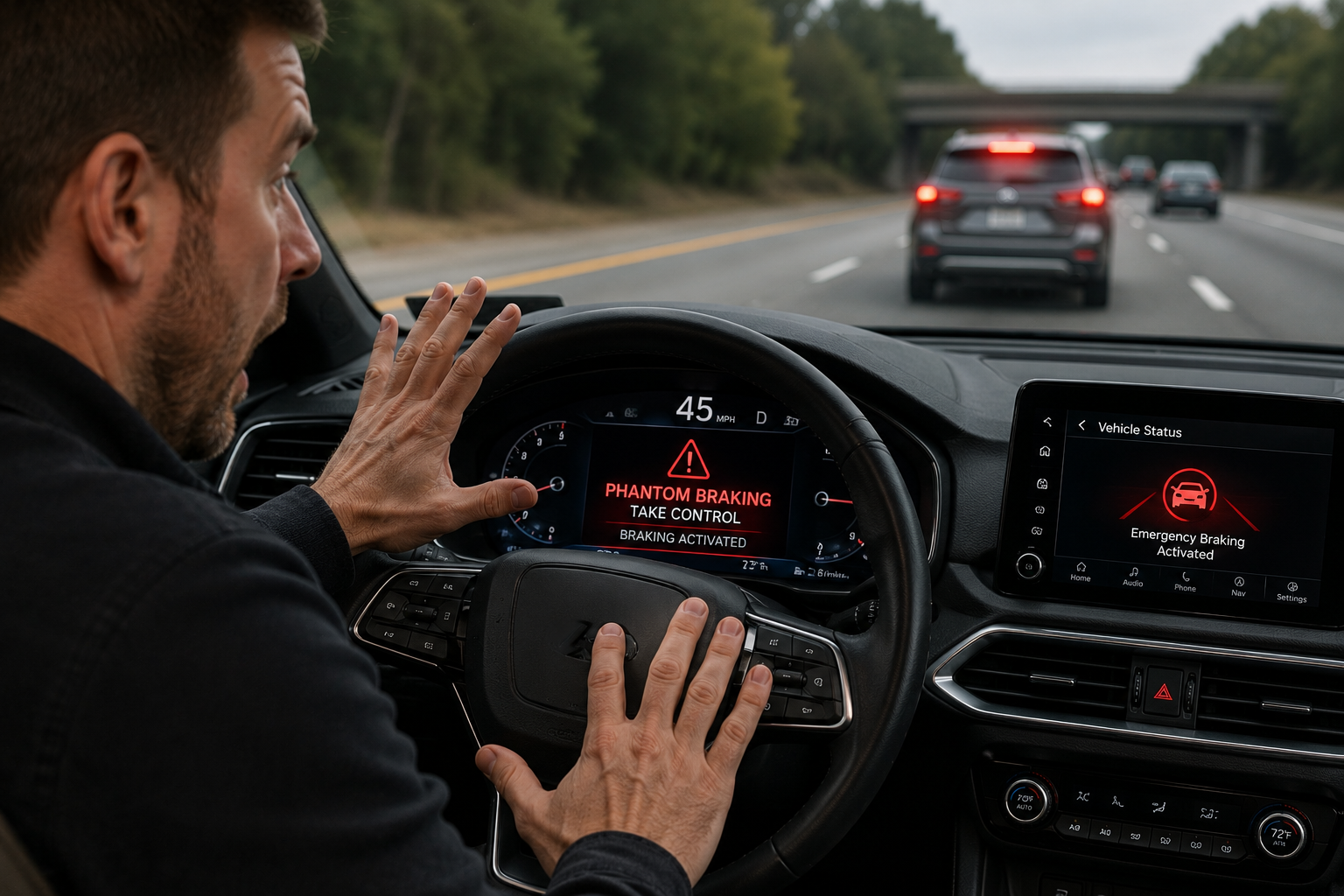
One of the most talked-about issues is phantom braking. This happens when a vehicle suddenly brakes even though there is no obstacle in front of it. Drivers have also reported repeated sensor failures, camera malfunctions, radar issues, and false warning alerts. When these defects continue after multiple repair attempts, drivers may begin to wonder whether the vehicle qualifies under California lemon law.
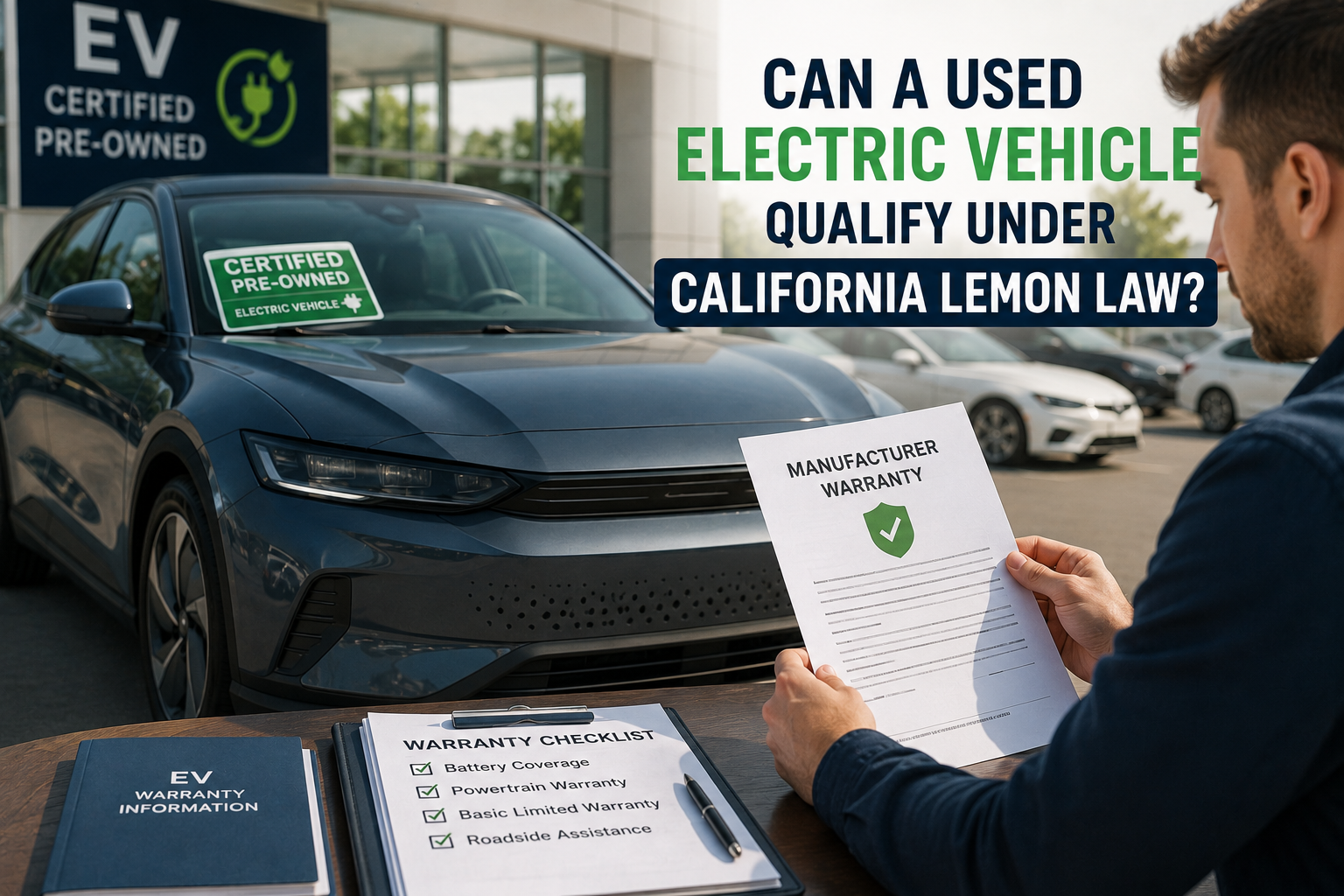
In some situations, the answer may be yes. California lemon law may apply when a defect substantially affects the vehicle’s use, value, or safety and the manufacturer cannot repair the issue within a reasonable number of attempts.
If you are still trying to identify whether your vehicle shows warning signs, you may also read Signs You May Have a Lemon Car and What to Do About It.
What Is Phantom Braking?
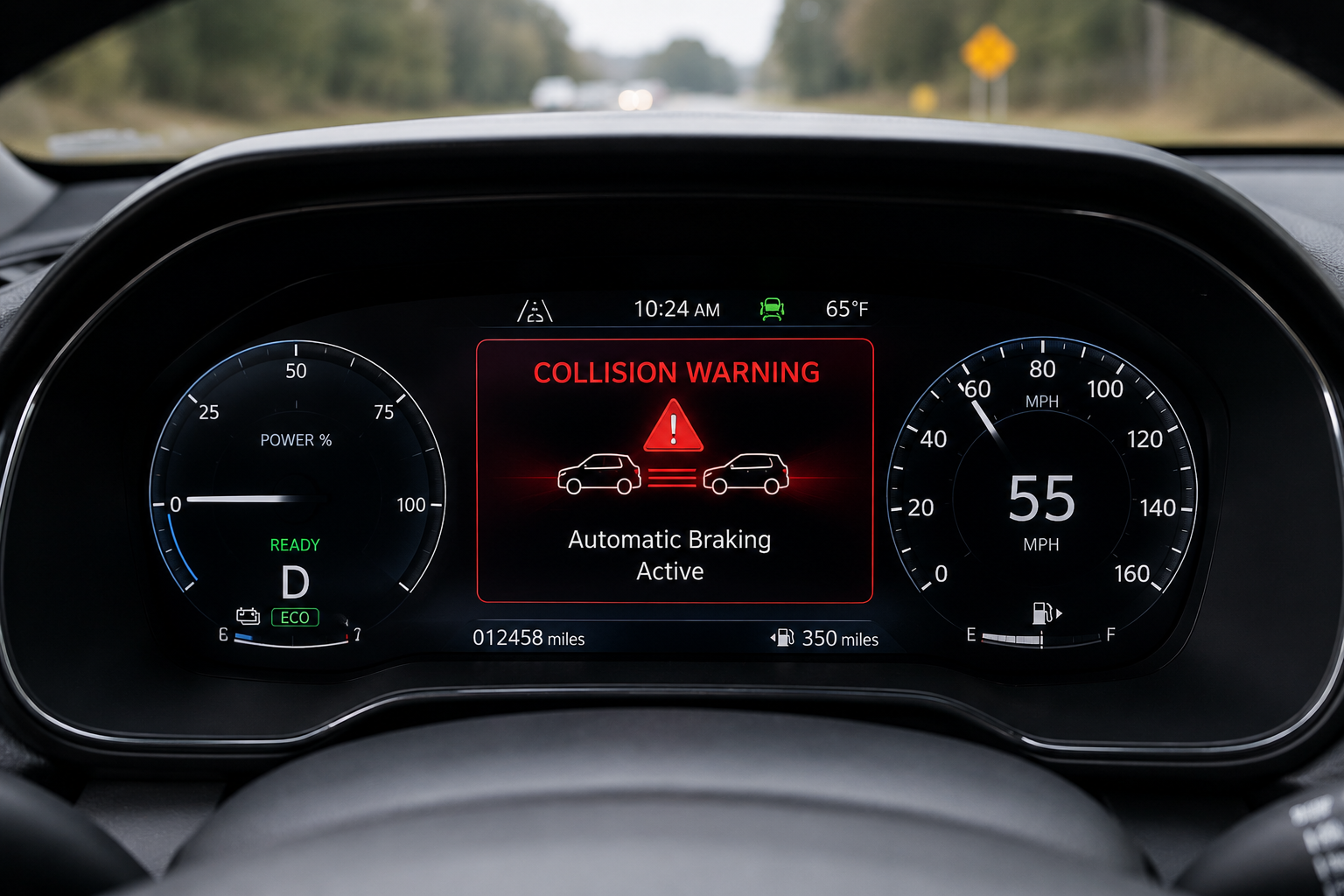
Phantom braking refers to unexpected automatic braking triggered by the vehicle even though the road appears clear. Drivers often describe sudden deceleration while using adaptive cruise control or driver-assistance features. In some cases, the vehicle may incorrectly detect another car, a bridge shadow, road markings, or nearby objects as a collision risk.
These incidents can create serious safety concerns. Sudden braking at highway speeds may increase the risk of rear-end collisions, driver panic, or loss of control. Some drivers report that the issue occurs repeatedly despite software updates, recalibrations, or sensor replacements.
Why ADAS Defects Matter in Lemon Law Claims
Modern vehicles rely heavily on cameras, radar sensors, software modules, and electronic communication systems. A defect in one component may affect several safety features at once. Because these systems are tied directly to safe vehicle operation, repeated failures can become more serious than simple convenience issues.
Driver-assistance systems are marketed as safety technology. When they malfunction unpredictably, drivers may lose confidence in the vehicle’s reliability. In some situations, the defect may make drivers afraid to use certain features at all.
Common ADAS Defects That May Support a Claim
Phantom Braking Events
Repeated unexpected braking incidents are among the most common ADAS complaints. If the problem continues after multiple dealership visits, software updates, or recalibrations, the repair history becomes important.
Camera System Failures
Backup cameras, lane-assist cameras, and forward-facing safety cameras may freeze, go black, display distorted images, or stop working entirely. Since cameras often support safety features, repeated failures may affect normal vehicle use.
Radar and Sensor Malfunctions
Radar sensors are used for adaptive cruise control, emergency braking, and collision alerts. Drivers sometimes receive repeated “sensor blocked,” “system unavailable,” or “service safety system” warnings even when conditions appear normal.
Lane Assist Problems
Lane-keeping systems may incorrectly steer, drift unexpectedly, or disable themselves while driving. False steering corrections may create safety concerns for some drivers.
Adaptive Cruise Control Failures
Adaptive cruise systems may brake unnecessarily, fail to detect traffic properly, or disengage unexpectedly. Some drivers report sudden speed changes or inconsistent following distance behavior.
Can Software Updates Fix These Problems?
Manufacturers often attempt to fix ADAS problems through software updates or recalibrations. In some situations, the update may resolve the issue. In others, the same defect may return weeks later.
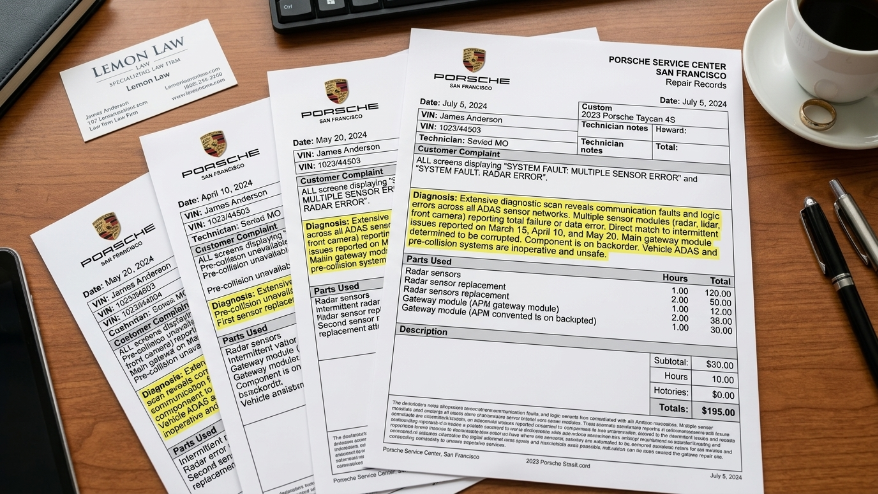
That is why drivers should document every service visit carefully. If the dealer installs updates, recalibrates sensors, replaces cameras, or resets safety systems, ask for repair orders showing exactly what work was performed.
Repeated software fixes may still count as repair attempts if they were meant to address the same underlying problem.
For more information about software-related repair attempts, you may also review The Step-by-Step Process for Filing a Lemon Law Claim.
How to Document ADAS Problems
Documentation is extremely important in safety-technology cases because many defects happen intermittently. The issue may disappear before a technician can inspect the vehicle.
Save Every Repair Order
Ask for written repair records after every dealership visit. Make sure the paperwork clearly describes the problem you reported.
Record Warning Messages
Take photos or videos of dashboard alerts, warning lights, and system notifications whenever possible.
Write Down the Conditions
Note the weather, road conditions, speed, and what the vehicle was doing when the issue occurred. This may help identify patterns.
Keep Track of Software Updates
If the dealer performs updates or recalibrations, save records showing the dates and repair details.
Do Recalls Automatically Mean You Have a Lemon?
No. A recall and a lemon law claim are different. A recall means the manufacturer identified a potential safety issue. A lemon law claim focuses on whether your specific vehicle was repaired successfully within a reasonable number of attempts.
You can check for recalls through the NHTSA recall lookup tool. Drivers may also report recurring safety problems through the NHTSA safety complaint system.
When ADAS Problems May Support a Lemon Law Claim
Every case depends on its own facts, but repeated safety-related defects often receive closer attention because they may affect the safe operation of the vehicle. Problems involving emergency braking, steering assistance, cameras, or collision systems may become significant when they continue despite repair attempts.
The manufacturer generally needs an opportunity to repair the issue. If the same defect keeps returning after updates, repairs, or part replacements, the repair history may become important evidence.
What Drivers Should Avoid
Ignoring Intermittent Problems
Some drivers avoid reporting issues because the defect only happens occasionally. However, repeated intermittent failures may still matter when documented consistently.
Relying Only on Verbal Conversations
Always request written repair orders and service records. Verbal statements are harder to prove later.
Waiting Too Long to Organize Records
Drivers should preserve photos, videos, invoices, and repair paperwork from the beginning.
If your claim has already been challenged or delayed, you may also read What To Do When Your Manufacturer Denies Your Lemon Law Claim.
Final Thoughts
Advanced safety systems may improve driving convenience, but repeated malfunctions can create serious frustration and safety concerns. Phantom braking, sensor failures, camera issues, and adaptive driving defects are becoming more common topics in modern lemon law discussions.
If your vehicle continues experiencing repeated ADAS problems after multiple repair attempts, careful documentation may help you better understand your legal options. Repair records, software updates, dashboard warnings, and consistent reporting often become important parts of the claim history.
Modern vehicles depend heavily on technology. When that technology repeatedly fails and the manufacturer cannot correct the issue, California lemon law protections may become relevant.