Handling a Lemon Car Under Warranty
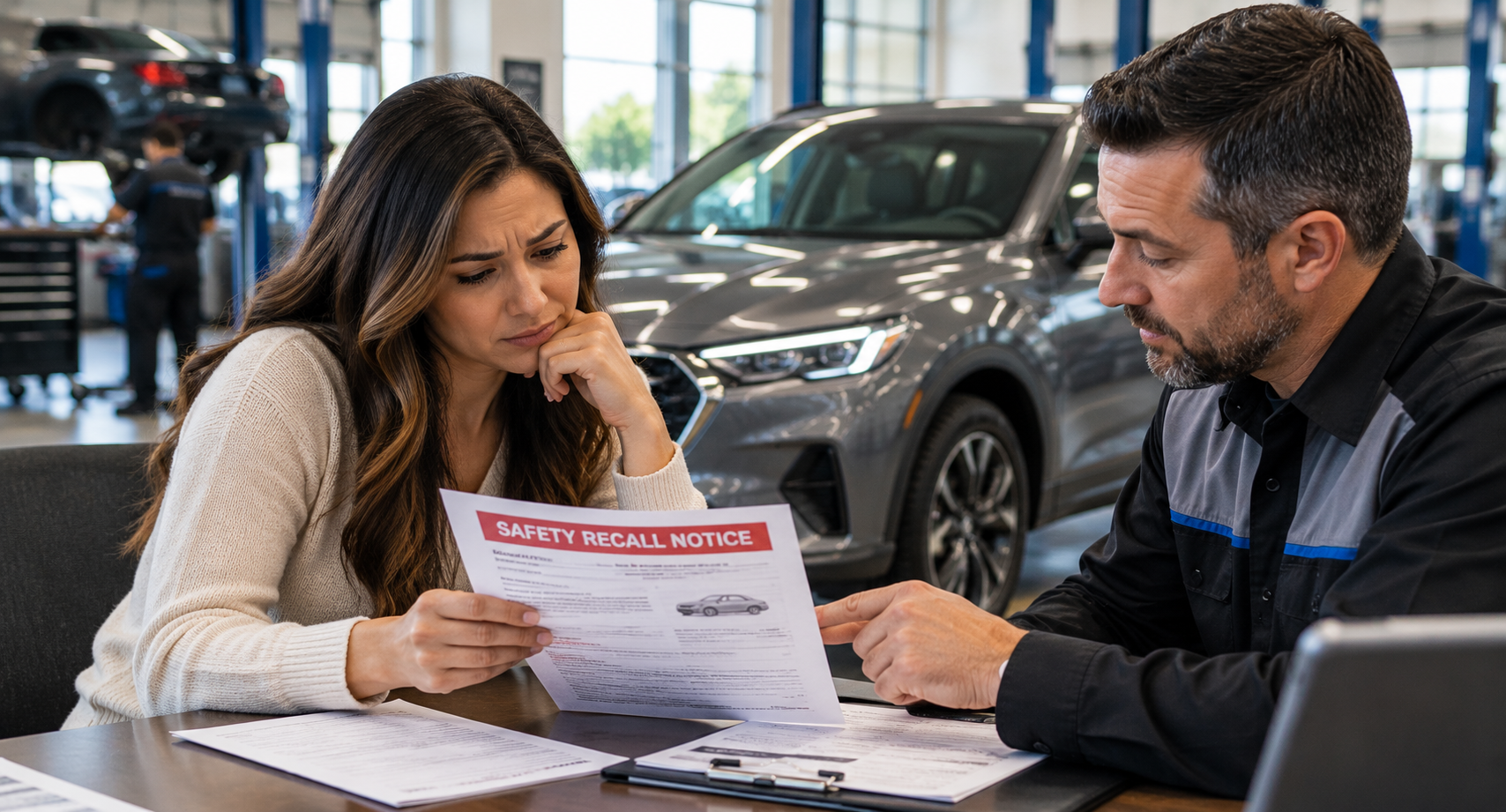
Purchasing a new car is an exciting experience. It’s a significant investment, and you expect it to be reliable, efficient, and trouble-free. However, what happens when your dream car begins to show signs of persistent mechanical failure, even though it’s still under warranty? If you’re experiencing repeated breakdowns or defects in your vehicle, it may qualify as a “lemon” under the law. The good news is that lemon law exists to protect consumers like you. In this guide, we will discuss what lemon law is, how to handle a lemon car under warranty, and the steps you can take to resolve the situation effectively.
What is Lemon Law?
 Lemon law is a legal framework designed to protect consumers from defective vehicles that fail to meet certain standards of performance and safety. The law ensures that when a car, truck, or other vehicle has substantial defects that affect its safety, use, or value, the manufacturer or dealer must remedy the situation. If repairs are unsuccessful, the consumer may be entitled to a refund or a replacement vehicle. The specific rules and protections under lemon law can vary by state, but the basic principle is the same across the country. For more information on how lemon laws work, visit Consumer Reports’ guide on lemon laws.
If your car is still under warranty but has recurring issues that impair its usability, the lemon law may be able to help you get a resolution. Understanding the steps you need to take when dealing with a lemon car is crucial in ensuring your rights are protected and that you don’t have to bear the financial burden of a defective vehicle.
Why Lemon Cars Under Warranty Can Be a Problem
When you purchase a vehicle that is still under warranty, you expect it to be free of major defects. The warranty is meant to cover issues that arise during the car’s early years or mileage, so you don’t have to pay for repairs. However, if your car has repeated defects, despite being under warranty, you may be stuck in a frustrating cycle of repairs that don’t resolve the issue.
Even though the car is still covered by a warranty, you are entitled to a remedy if the vehicle continues to fail, especially when the repairs do not address the problem. If your car has been in the shop multiple times for the same issue or has been out of service for a long period, lemon law protections could apply.
Common Defects That May Qualify for Lemon Law Protection
The following issues are common defects that may qualify a vehicle as a lemon under warranty:
- Engine Problems: Repeated engine failures, excessive oil consumption, or engine stalling are typical issues that could make a car a lemon.
- Transmission Failures: If the transmission slips, grinds, or fails to shift properly, it may be a sign of a serious defect that qualifies under lemon law.
- Electrical Malfunctions: Frequent electrical issues, such as lights flickering, dashboard electronics failing, or malfunctions in essential components like sensors and airbags, can all be indicators of a lemon.
- Brake Failures: If your vehicle’s braking system fails or is inconsistent, this is a major safety issue and could qualify for lemon law protections.
- Suspension Issues: Poor handling, unstable suspension, and bumpy rides may be a sign of a lemon car, particularly if the issues cannot be resolved by repeated repairs.
- Climate Control Problems: Persistent issues with the air conditioning, heating, or defrosting system, especially if they occur despite multiple repair attempts, may indicate a lemon vehicle.
Steps to Take When You Have a Lemon Car Under Warranty
If you believe your vehicle is a lemon, there are specific steps you must take to resolve the issue. By documenting your vehicle’s problems, contacting the dealer or manufacturer, and seeking legal assistance, you can navigate the lemon law process successfully. Here’s a step-by-step guide to handling a lemon car under warranty:
1. Document Every Repair Attempt and Issue
The first and most important step when dealing with a lemon car is to document everything. Keep detailed records of all repair attempts, service visits, and communications with the dealership or manufacturer. The more documentation you have, the stronger your case will be if you need to file a lemon law claim.
What to document:
- The dates of all repair visits and service appointments.
- A clear description of the problem and the defect that was addressed during each visit.
- The duration of time the car was in the shop for each repair.
- The names of the service representatives or mechanics you interacted with.
- All receipts and invoices for repair services.
- Written communication (emails, letters) with the dealership or manufacturer regarding the defect.
2. Contact the Manufacturer or Dealer
 If your car has repeated defects and has been repaired several times, your next step is to contact the manufacturer or the dealership. Notify them of the issues you’ve encountered with the vehicle and provide the documentation you’ve collected. It’s important to give the manufacturer or dealer a reasonable opportunity to fix the car, which is typically three to four repair attempts for the same defect, or more than 30 days of total downtime.
Make sure to send your communication via certified mail, so you have proof of delivery. Clearly outline the issues with the car and state that you are seeking a resolution under lemon law. Be polite but firm in your request for either a replacement vehicle or a full refund. For more details on what to do, refer to our article on What to Do When Your Manufacturer Denies Your Lemon Law Claim.
3. Seek Legal Assistance from a Lemon Law Attorney
If the manufacturer or dealer fails to resolve the issue after several attempts, it may be time to consult with a lemon law attorney. A lawyer who specializes in lemon law can guide you through the process of filing a claim and can help you understand your rights under the law.
Most lemon law attorneys offer free consultations, and many work on a contingency basis, meaning you won’t have to pay anything unless you win your case. A lemon law attorney can help ensure that you are fully compensated for your defective vehicle and that you don’t face unnecessary delays or denials from the manufacturer. You can find more information on Signs You May Have a Lemon Car and What to Do About It.
4. Understand What Lemon Law Can Provide
Lemon law provides consumers with two primary remedies when dealing with a defective vehicle: a replacement car or a refund. If your car is determined to be a lemon, the manufacturer may be required to either:
- Replace the vehicle: If your vehicle qualifies under lemon law, the manufacturer must provide a replacement car of the same make and model, or one of similar value and features.
- Refund the purchase price: Alternatively, the manufacturer may be required to offer a refund for the vehicle’s full purchase price, including taxes, registration fees, and other costs.
Additionally, lemon law may also allow you to recover incidental costs, such as towing fees, rental car expenses, and other out-of-pocket costs you incurred as a result of the car’s defects. A lemon law attorney can help you secure all the benefits you are entitled to under the law. Learn more about Filing a Lemon Law Claim.
5. Filing a Lemon Law Claim
If the manufacturer or dealer does not resolve the issue to your satisfaction, you may need to file a lemon law claim. This formal legal action involves submitting a complaint to the manufacturer or dealer and seeking a resolution. If the manufacturer denies your claim or refuses to provide a suitable resolution, you can file a claim in court or through alternative dispute resolution, such as arbitration.
During the claims process, the court or arbitration panel will examine the facts and decide whether the vehicle qualifies as a lemon. If they rule in your favor, the manufacturer will be required to provide either a replacement vehicle or a full refund. This process can take several months, but with the help of a qualified lemon law attorney, you can significantly improve your chances of success.
Additional Considerations Under Lemon Law
When dealing with a lemon car under warranty, there are a few other things to consider:
- State-Specific Laws: Lemon law varies by state, so it’s important to familiarize yourself with the specific laws in your area. Each state has different requirements for what qualifies as a lemon and the remedies available to consumers. Visit Nolo’s guide to state lemon laws for more information.
- Time Limits: There are time limits for filing a lemon law claim, typically within one or two years from the purchase date or a certain number of miles on the vehicle. Act quickly to ensure that you don’t miss your opportunity to file a claim.
- Used Vehicles: While lemon laws primarily apply to new cars, some states offer protections for used cars as well. Be sure to check the lemon law regulations in your state to determine if used vehicles are eligible for coverage.
Conclusion
Dealing with a lemon car under warranty can be a frustrating and stressful experience, especially when the car was supposed to offer peace of mind through the warranty. However, lemon law exists to protect consumers from defective vehicles, and it provides options for obtaining a replacement car or a full refund.
By following the steps outlined in this article—documenting repairs, communicating with the manufacturer, and seeking legal advice—you can ensure that you are properly handling the situation. If you are facing a lemon car under warranty, don’t hesitate to consult with a lemon law attorney who can guide you through the legal process and help you get the resolution you deserve.