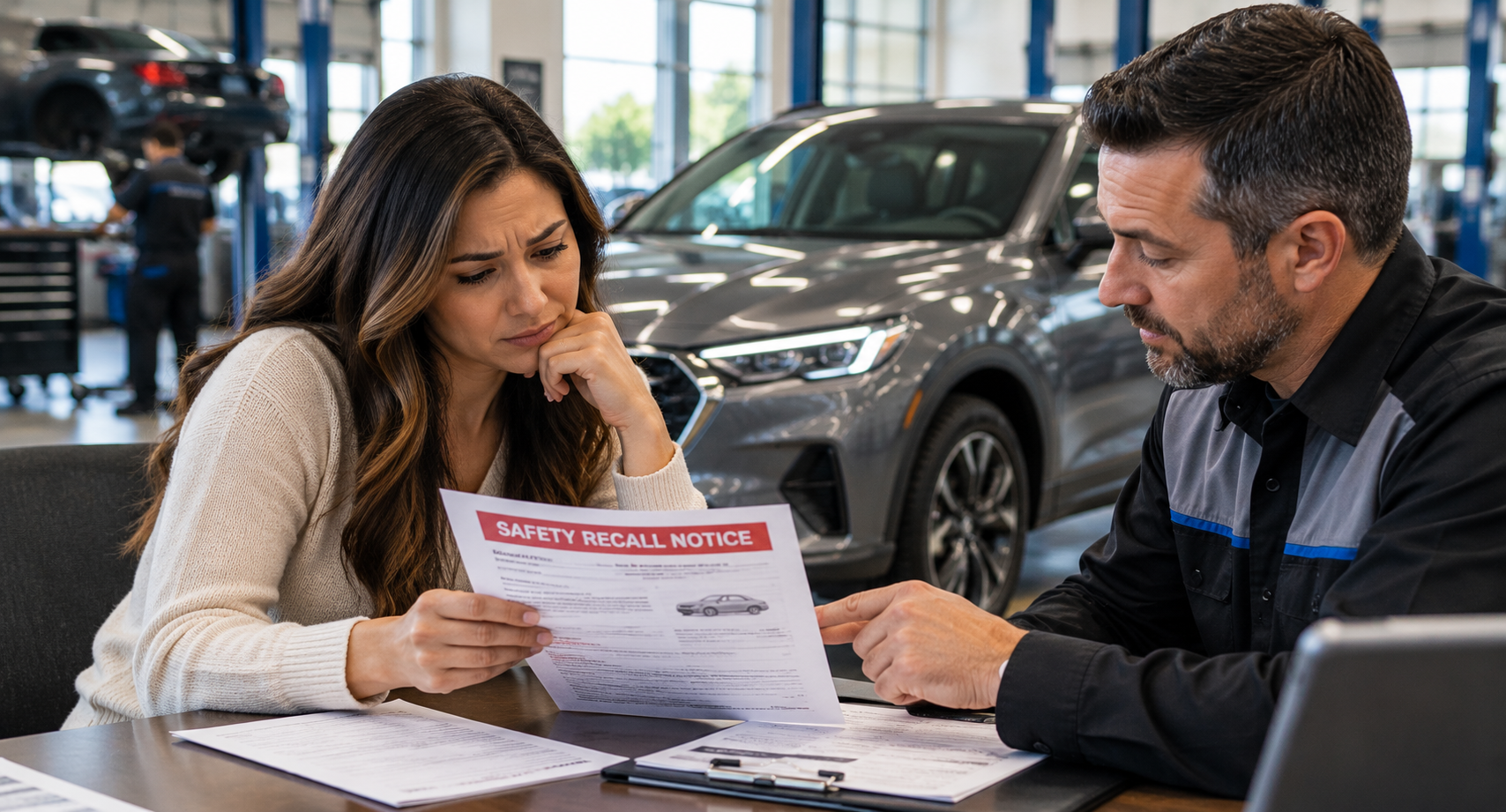

Leasing a vehicle can make driving a newer car more affordable, but recurring mechanical or electrical problems can quickly turn a convenient arrangement into a frustrating experience. Some drivers assume that California Lemon Law only protects people who purchase vehicles. However, qualifying leased cars may also receive protection.
If a leased vehicle develops a substantial warranty defect that the manufacturer cannot repair after a reasonable number of attempts, California Lemon Law may provide remedies, including a manufacturer repurchase or replacement.
Understanding how these protections apply to leased vehicles is important because a lease involves a finance company or lessor, monthly payments, mileage limits, and contractual obligations that may affect the resolution process.
Does California Lemon Law Cover Leased Cars?
 Yes. California Lemon Law generally protects qualifying new vehicles purchased or leased primarily for personal, family, or household use. Certain business-use vehicles may also qualify under specific conditions.
According to the California Department of Consumer Affairs, the law protects consumers who buy or lease qualifying vehicles covered by the manufacturer’s original warranty.
The main question is whether the vehicle has a warranty-covered defect that substantially affects its use, value, or safety and remains unresolved after a reasonable number of repair attempts.
For example, a leased sedan with repeated transmission failures may qualify if the manufacturer cannot correct the defect despite reasonable repair opportunities. Similar concerns may arise with braking systems, steering, electrical components, or recurring power loss.
What Problems May Qualify a Leased Car as a Lemon?
Not every inconvenience or minor defect automatically qualifies a leased vehicle for lemon law protection. The problem generally must be substantial and covered by the manufacturer’s applicable warranty.
Engine and Transmission Problems
Recurring engine stalling, hesitation, rough shifting, transmission slipping, or sudden loss of acceleration may affect a vehicle’s reliability and safe operation.
Electrical System Failures
Modern vehicles depend on electronic control modules, sensors, and software. Repeated electrical failures may cause dashboard warnings, unexpected shutdowns, battery drainage, or malfunctioning safety systems.
Brake and Steering Defects
Problems involving braking performance, unexpected steering behavior, or loss of steering assistance may present serious safety concerns. These issues should be reported promptly to an authorized repair facility.
Electric Vehicle Charging Problems
Leased electric vehicles may experience repeated charging failures, battery warnings, reduced-power conditions, or other defects involving their electric drivetrains.
If you are unsure whether your vehicle’s symptoms indicate a serious defect, read Signs You May Have a Lemon Car and What to Do About It.
How Many Repair Attempts Are Required?
California Lemon Law generally requires the manufacturer to have a reasonable number of opportunities to repair a qualifying warranty defect. What is reasonable depends on the nature and seriousness of the problem.
The California Lemon Law Presumption provides certain guidelines for defects occurring within the first 18 months or 18,000 miles, whichever comes first, when other legal requirements are satisfied.
Under the guidelines described by the California Attorney General, relevant circumstances may include repeated unsuccessful repairs, serious safety defects, or substantial time out of service.
These guidelines are not an automatic requirement for every claim. A vehicle outside the presumption period may still warrant evaluation under applicable warranty law.
Can You End a Car Lease Early Because of Defects?
A qualifying lemon law resolution may result in the manufacturer repurchasing or replacing the defective leased vehicle. However, drivers should distinguish this process from voluntarily terminating a lease early.
Simply returning a defective car to the dealership without an agreed resolution may leave the lessee responsible for payments, early termination charges, or other contractual obligations.
Before stopping payments or surrendering the vehicle, the driver should review the lease agreement and obtain clarification about the manufacturer, lessor, and dealership’s responsibilities.
Manufacturer Repurchase
When a qualifying vehicle is repurchased under California Lemon Law, the manufacturer may be responsible for statutory restitution and resolving applicable lease obligations.
The calculation depends on the governing law, lease terms, amounts paid, and permitted deductions. It should not be assumed that every payment or charge will automatically be refunded in full.
Replacement Vehicle
In appropriate cases, a replacement vehicle may be available. However, the financial and contractual arrangements associated with replacing a leased vehicle should be reviewed carefully.
Owners can learn more about potential remedies in Can You Get Compensation for a Lemon Car? Here’s What You Need to Know.
What Happens to Your Lease Payments?
Lease payments are an important part of evaluating a potential manufacturer repurchase. A leased vehicle usually involves an initial payment, monthly installments, taxes, registration charges, and sometimes additional fees.
California’s lemon law restitution provisions address qualifying lease-related amounts, but the actual calculation depends on the facts and applicable legal requirements.
A manufacturer may also be entitled to a lawful mileage-based deduction for use before the defect was first presented for repair.
Consumers should request a written explanation of any proposed restitution calculation, including amounts paid, deductions, and how the remaining lease balance will be handled.
Should You Continue Making Payments During a Lemon Law Dispute?
Generally, drivers should continue complying with their lease obligations unless they have obtained a lawful agreement or other appropriate resolution.
A pending lemon law dispute does not automatically suspend the lease contract. Missing payments may create separate financial consequences, including late fees, credit reporting issues, or collection activity.
If the vehicle is unusable for an extended period, contact the lessor and manufacturer to discuss available options. Keep written records of those communications.
What if the Dealership Keeps Saying the Car Is Fixed?
Some defects are intermittent. A warning light may disappear after restarting the vehicle, or a transmission problem may not occur during a short dealership test drive.
If the same problem returns, schedule another authorized service appointment and describe the symptoms accurately.
Request a repair order even when the dealership cannot reproduce the complaint. Documentation showing repeated reports may help establish the vehicle’s repair history.
For additional information about the claims process, review The Step-by-Step Process for Filing a Lemon Law Claim.
What Documents Should You Keep for a Leased Car Lemon Law Claim?
Organized records can help establish warranty coverage, recurring defects, repair attempts, and lease-related expenses.
- Original vehicle lease agreement
- Manufacturer warranty booklet
- Monthly lease payment statements
- Initial payment and registration receipts
- Every dealership repair order
- Vehicle mileage at each service visit
- Photos and videos of recurring defects
- Emails and messages from the manufacturer
- Towing and rental vehicle receipts
- Records showing how long the vehicle was unavailable
Track the First Repair Visit
The mileage recorded when a defect was first presented for repair may be important in calculating a lawful use deduction. Preserve the earliest repair order that documents the problem.
Does California Lemon Law Apply to Business-Leased Vehicles?
Some vehicles leased primarily for business use may qualify under California Lemon Law, subject to statutory limitations.
For example, the law contains specific requirements concerning vehicle weight and the number of vehicles registered to the business. Not every commercial lease qualifies.
Business owners should review their vehicle classification, registration, lease documents, and warranty coverage before assuming they are eligible or excluded.
The California Department of Consumer Affairs Lemon Law Q&A provides an overview of qualifying personal and business-use vehicles.
What if Your Lease Is Almost Over?
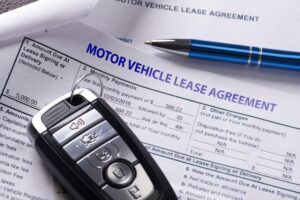 Approaching the end of a lease can make a recurring defect particularly stressful. The owner may be unsure whether to return the vehicle, extend the lease, or pursue a manufacturer resolution.
Do not assume that a claim automatically disappears when the lease approaches its scheduled end. However, returning or transferring the vehicle can create important questions about evidence, remedies, and applicable legal requirements.
California also introduced procedural changes through AB 1755 and SB 26. Depending on the manufacturer and circumstances, these rules may affect notices and the steps required before litigation.
Review the California Department of Consumer Affairs’ new Lemon Law procedures and consider obtaining individualized advice before taking action.
Can a Leased Vehicle Owner Use Arbitration?
Eligible consumers may be able to resolve manufacturer warranty disputes through a state-certified arbitration program.
These programs provide an alternative to immediately pursuing litigation. The process generally involves submitting warranty documents, repair records, and information about the recurring defect.
Not every manufacturer participates in the same program, and eligibility rules vary. Consumers can review the California Arbitration Certification Program for official information.
Common Mistakes to Avoid With a Defective Leased Car
Returning the Vehicle Without a Resolution
Do not assume that handing the keys to the dealership automatically terminates the lease or resolves the manufacturer’s warranty obligations.
Stopping Monthly Payments
Unilaterally withholding payments can create a separate lease dispute. Review your contractual obligations before changing payment arrangements.
Failing to Save Repair Records
Keep every repair order, including visits where the dealership reports that it could not duplicate the problem.
Accepting a Settlement Without Reviewing the Terms
Before accepting a manufacturer offer, understand the treatment of lease balances, mileage deductions, fees, and any release of claims.
If the manufacturer denies responsibility, read What to Do When Your Manufacturer Denies Your Lemon Law Claim.
Final Thoughts
California Lemon Law can protect qualifying leased vehicles when substantial warranty defects remain unresolved after a reasonable number of repair attempts. Drivers do not necessarily have to own their vehicles outright to pursue available remedies.
However, leased vehicle claims involve additional considerations, including monthly payments, remaining lease obligations, manufacturer repurchases, replacement arrangements, and possible mileage deductions.
Keep the lease agreement, warranty documents, repair orders, payment records, and manufacturer communications organized. Before returning the vehicle or accepting a settlement, understand how the proposed resolution affects both the warranty dispute and the lease contract.
For official consumer guidance, consult the California Attorney General’s vehicle warranty resources and the Department of Consumer Affairs.