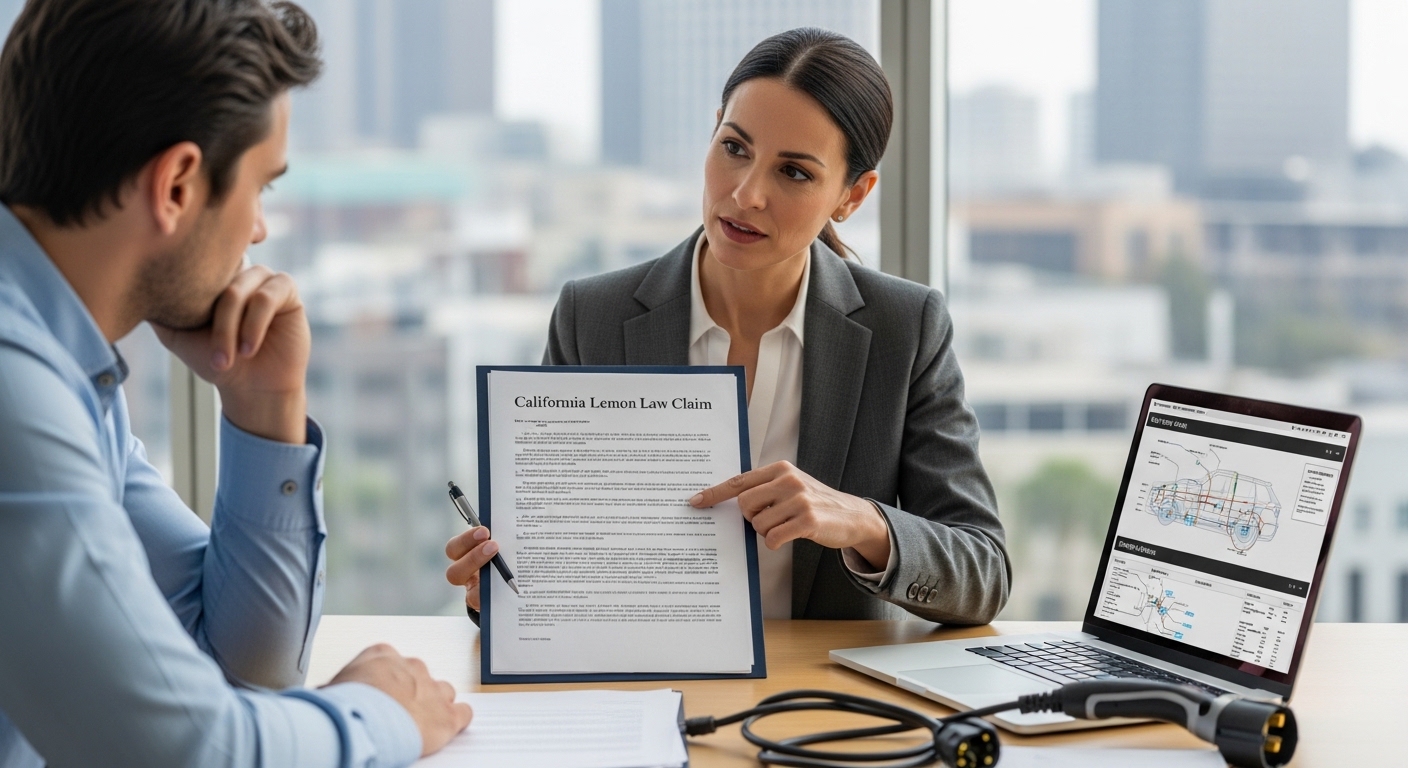
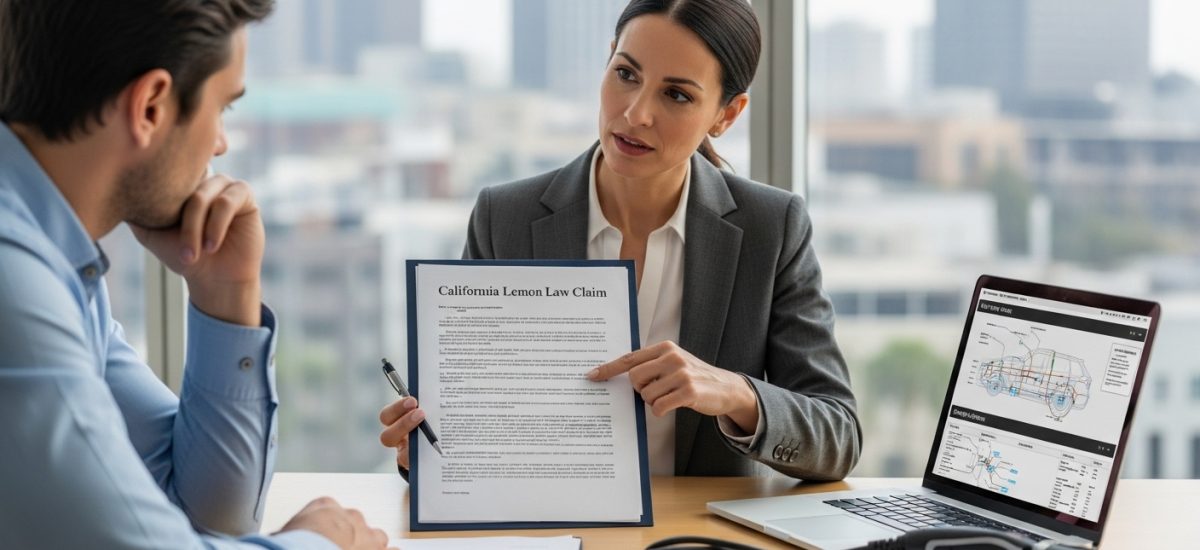
Electric vehicles offer impressive technology, lower fuel costs, and a different kind of driving experience. But when an EV develops repeated battery problems, charging failures, or software glitches, ownership can quickly turn frustrating. If your electric vehicle keeps going back to the dealership for the same issue and the problem still is not fixed, you may be wondering whether California lemon law applies.
The short answer is that it can. California’s lemon law may protect EV owners when a defect substantially affects the vehicle’s use, value, or safety and the manufacturer has been given a reasonable number of opportunities to repair it. That matters because many EV problems are not just annoying. A charging system that fails, a battery that rapidly loses usable range, or software that disables key vehicle functions can make the vehicle unreliable and, in some cases, unsafe.
If you are still trying to figure out whether your vehicle shows classic warning signs, read Signs You May Have a Lemon Car and What to Do About It.
Why EV Lemon Law Cases Are Different
Traditional lemon law claims often involve engine, transmission, or brake issues. EV claims can involve those too, but they also introduce battery systems, charging components, over-the-air updates, touchscreen controls, and connected software. In many modern vehicles, software is tied directly to drivability, safety systems, climate control, range management, and charging performance.
That means an EV does not need to have a blown engine to qualify as a serious defect case. If the problem repeatedly interferes with your ability to use the car normally, reduces the vehicle’s value, or creates a safety concern, it may still support a claim.
Common EV Problems That May Support a Lemon Law Claim
Battery Defects
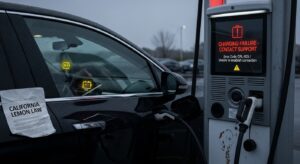 Battery-related problems are among the most common reasons EV owners start researching lemon law. Examples include sudden battery failure, unusually rapid range loss, warning messages that will not clear, failure to hold a charge, or repeated battery-management-system errors. If the dealership keeps attempting repairs but the same defect returns, that history may become important evidence.
Charging Failures
An EV that will not charge correctly may be just as unusable as a gas vehicle that will not start. Some owners experience home charging failures, public fast-charging issues, repeated interrupted sessions, or charging ports that malfunction without warning. When these problems continue after service visits, they can significantly affect the vehicle’s use and value.
Software and Infotainment Problems
In an EV, software is not always just about entertainment. A software bug may affect navigation, regenerative braking settings, safety alerts, backup cameras, charging schedules, battery conditioning, or driver assistance features. Even when the manufacturer tries to fix the issue with a software patch, the defect may still count if it keeps returning and continues to impair the vehicle.
Power Loss and Driveability Issues
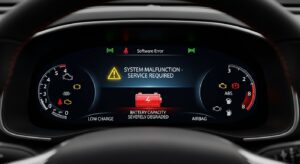 Unexpected shutdowns, reduced-power mode, failure to accelerate normally, or repeated warnings telling you to stop driving can turn an EV problem into a serious safety issue. If the dealership says the issue was repaired but the problem comes back, your repair history becomes one of the most important parts of your case.
What California Lemon Law Usually Looks At
Although every case depends on its facts, California lemon law claims usually focus on a few core questions. Was the vehicle covered by the manufacturer’s warranty when the defect appeared? Did the defect substantially impair use, value, or safety? Did the manufacturer or authorized repair facility have a reasonable number of opportunities to fix it? And does the problem still exist, return repeatedly, or leave a documented pattern of failed repairs?
There is no one-size-fits-all formula for every EV case. A severe safety issue may require fewer repair attempts than a less dangerous problem. Likewise, a vehicle that spends long stretches in the shop may support a strong claim even if the repair visits involve different but related symptoms.
For a general overview of the claim process, see The Step-by-Step Process for Filing a Lemon Law Claim.
How to Document an EV Defect the Right Way
Documentation often makes the difference between a weak claim and a strong one. Each time the defect appears, save as much proof as possible. Ask for a repair order every time you visit the dealer, even if the technician says the vehicle is working normally. Make sure the paperwork describes the problem you reported in clear language. If the dashboard showed a warning, make sure that warning is mentioned. If charging failed at home or on a public charger, note the date, location, and symptoms.
Photos and videos can help too. Capture warning lights, charging error messages, reduced-range alerts, or app screenshots showing failed charge sessions. Keep text messages and emails with the dealership. If you paid for towing, rentals, or other out-of-pocket expenses because of the defect, save those receipts as well.
Do Not Underestimate “Intermittent” Problems
Some EV defects come and go. Owners are often told that because the issue could not be duplicated during one visit, nothing is wrong. That does not necessarily end the matter. Intermittent software or battery issues can still be serious, especially when they repeat over time. The key is consistent reporting and consistent documentation.
What Remedies May Be Available
 If your EV qualifies under California lemon law, possible remedies may include a buyback, a replacement vehicle, or reimbursement for certain related expenses. In many successful cases, consumers may also recover registration fees, taxes, and other amounts tied to the defective vehicle transaction. The exact outcome depends on the facts of the case, the repair history, and how the claim is resolved.
If you want to learn more about possible recovery, read Can You Get Compensation for a Lemon Car? Here’s What You Need to Know.
When to Talk to a Lemon Law Attorney
Many EV owners wait too long because they assume one more software update will finally solve everything. Sometimes it does. But when the same battery, charging, or software issue keeps returning, it may be time to speak with a lemon law attorney. That is especially true if the dealer says “no problem found,” the manufacturer delays a buyback decision, or you are being pushed toward a quick resolution that does not fully compensate you.
An attorney can review your warranty coverage, repair orders, and timeline, then help you understand whether the facts support a claim. Legal guidance can also help you avoid common mistakes, such as accepting an inadequate offer or failing to preserve key records.
Don’t Forget About Recalls and Safety Complaints
It is also smart to check whether your vehicle has any open recalls and whether similar owners have reported the same issue. You can use the NHTSA recall lookup tool to search by VIN and review recall information. If your EV has a safety-related problem, you can also file a complaint with NHTSA. In some situations, recall history and public complaint patterns may help support the broader story behind your case.
Final Thoughts
Electric vehicles may be advanced, but the legal question is still familiar: did you buy or lease a vehicle that the manufacturer could not fix within a reasonable time? If repeated battery issues, charging failures, or software defects are disrupting your life, California lemon law may offer a path forward.
The most important next step is to act early. Keep every repair order, document every warning, and get informed before the paper trail gets harder to build. A well-documented EV claim is often a much stronger claim.