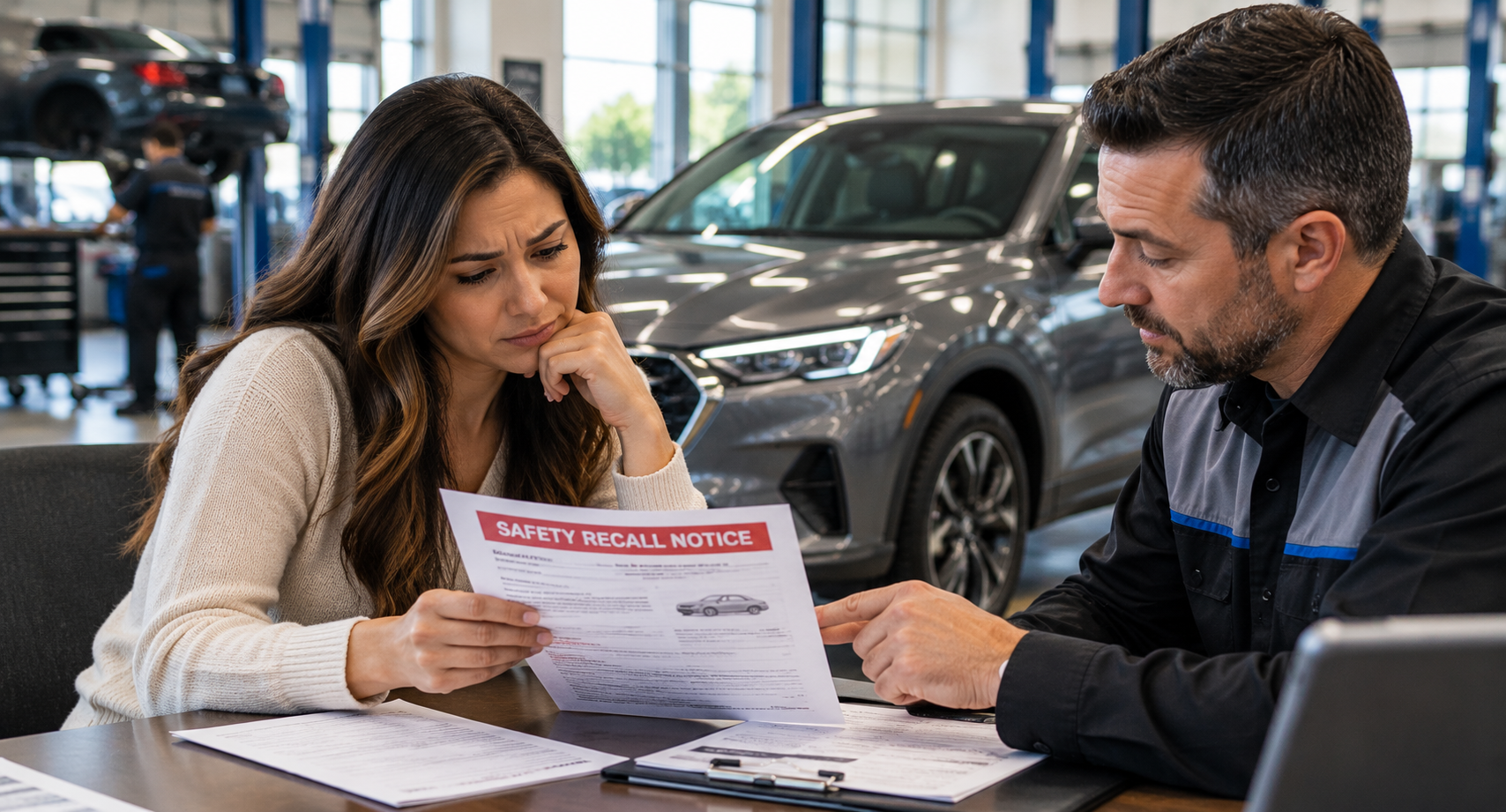

Taking your vehicle to the dealership for repairs is inconvenient, but waiting weeks or even months for it to be returned can become a much bigger problem. Some vehicle owners experience extended delays because replacement parts are unavailable, technicians cannot complete diagnostics, or the manufacturer has not authorized the necessary repair.
If your car has been sitting at a dealership for 30 days or longer, you may wonder whether California Lemon Law can help. The answer depends on the circumstances, including the warranty coverage, nature of the defect, repair history, and reason for the delay.
California law contains provisions addressing unreasonable repair delays. It also includes a separate Lemon Law presumption involving cumulative days a vehicle is unavailable for qualifying warranty repairs. Understanding the difference can help vehicle owners evaluate their options.
Does California Lemon Law Have a 30-Day Repair Rule?
Yes. California’s Song-Beverly Consumer Warranty Act contains a provision requiring manufacturers or their authorized repair facilities to begin warranty repairs within a reasonable time and complete them within 30 days, subject to applicable exceptions.
California Civil Code Section 1793.2(b) addresses this repair-completion requirement. It is important because a vehicle owner may have concerns when a dealership keeps the vehicle for an extended period without completing an authorized warranty repair.
However, a 30-day delay does not automatically mean the vehicle qualifies for a lemon law repurchase or replacement. The specific legal requirements and available remedies must be evaluated separately.
For an overview of California’s warranty protections, see the California Department of Consumer Affairs Lemon Law FAQs.
What Is the Difference Between the Two 30-Day Rules?
California has two important 30-day concepts that vehicle owners should not confuse.
The 30-Day Repair Completion Requirement
Under Civil Code Section 1793.2(b), manufacturers or authorized repair facilities generally must complete covered warranty repairs within 30 days, unless the buyer agrees in writing to a longer period or an applicable exception applies.
This provision addresses unreasonable delays in beginning or completing warranty repairs.
The 30-Day Lemon Law Presumption
California Civil Code Section 1793.22 includes a separate presumption involving a vehicle that has been out of service for warranty repairs for more than 30 cumulative days during the applicable period.
The presumption generally applies when the relevant problems first occurred within 18 months of delivery or 18,000 miles, whichever comes first, and the other statutory requirements are satisfied.
The qualifying days do not have to be consecutive. Several separate dealership visits may contribute to the total.
For example, a vehicle may spend 12 days at the dealership for an engine problem, another 10 days for an electrical failure, and another 11 days for a transmission defect. These periods may total more than 30 days.
However, not every day a vehicle is unavailable automatically counts. The time must relate to qualifying warranty repairs under the applicable law.
The 2026 California Civil Jury Instructions discuss the separate legal requirements concerning repair delays and the completion of warranty repairs.
What if the Dealership Is Waiting for Replacement Parts?
 One common reason for extended repair delays is a shortage of replacement parts. A dealership may diagnose a defective component but be unable to complete the repair because the manufacturer has not supplied the necessary part.
Owners may hear explanations such as:
- The replacement part is backordered.
- The manufacturer has not provided an estimated delivery date.
- The vehicle requires a special-order component.
- The dealership is waiting for manufacturer authorization.
- A replacement module is unavailable.
- The manufacturer has not released an updated component.
These explanations should be documented. A parts shortage does not automatically eliminate a consumer’s rights, although the reason for the delay may matter when evaluating the applicable legal requirements.
Can a Manufacturer Avoid Lemon Law Responsibility Because of Parts Delays?
Not automatically. A manufacturer may have arguments concerning circumstances beyond its control, but a parts delay does not by itself resolve whether the manufacturer satisfied its warranty obligations.
California Civil Code Section 1793.22 includes an exception allowing an extension of the 30-day period used for the Lemon Law presumption when repairs cannot be performed because of conditions beyond the manufacturer’s control.
The facts surrounding the shortage, the repair timeline, and the manufacturer’s actions may therefore become important.
Vehicle owners should avoid assuming that every backorder excuses an extended delay. They should also avoid assuming that every delay automatically establishes a right to repurchase.
What if the Dealership Has Not Started Repairs?
Sometimes a vehicle remains at a dealership for several days or weeks without meaningful repair work beginning.
The dealership may be waiting for diagnostic approval, technical instructions, an available technician, or authorization from the manufacturer.
California Civil Code Section 1793.2(b) addresses both beginning repairs within a reasonable time and completing them within 30 days.
In the 2026 California Civil Jury Instructions, CACI No. 3205 explains the essential factual elements of a claim involving failure to begin repairs within a reasonable time or complete repairs within 30 days.
Owners should preserve evidence showing when the dealership received the vehicle, when the repair was authorized, and what explanations were provided during the waiting period.
How to Document Extended Vehicle Repair Delays
Documentation can help establish how long the vehicle was unavailable and why the repair remained unfinished.
Keep the Original Repair Order
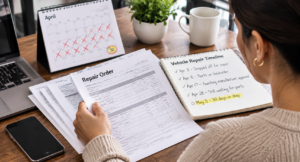
Request a copy of the repair order showing the date the vehicle was delivered, its mileage, and the problems reported.
Make sure the document identifies the actual symptoms rather than using vague descriptions.
Request Written Updates
Contact the service department regularly and request updates about the repair status. If the dealership is waiting for parts, ask for the part number and estimated arrival date when available.
Save emails, text messages, and written explanations from the dealership or manufacturer.
Record Every Date the Vehicle Is Unavailable
Create a timeline showing when the vehicle entered the dealership, when repairs began, when parts arrived, and when the vehicle was returned.
If the vehicle returns for another warranty repair, record that period separately.
Save Related Expenses
Keep receipts for towing, rental vehicles, alternative transportation, and other expenses connected to the repair delay. Whether these expenses are recoverable depends on the facts and applicable law.
Does a Vehicle Have to Be in the Shop for 30 Consecutive Days?
No. The Lemon Law presumption involving more than 30 days out of service uses cumulative time rather than requiring one uninterrupted repair visit.
For example, consider a vehicle with the following repair history:
- First warranty repair: 9 days
- Second warranty repair: 8 days
- Third warranty repair: 7 days
- Fourth warranty repair: 8 days
The vehicle has accumulated 32 days out of service for warranty repairs.
If the applicable timing and other statutory requirements are met, this history may support the 30-day Lemon Law presumption.
Remember that the presumption is not the only way to evaluate a lemon law claim. A vehicle outside the presumption period may still qualify based on the overall circumstances and applicable law.
What if the Vehicle Is Returned Before the Repair Is Complete?
A dealership may sometimes return a vehicle while waiting for a replacement part or additional manufacturer instructions.
In that situation, the owner should ask whether the repair is complete, whether the defect remains, and whether the vehicle is safe to operate.
Request written confirmation of any outstanding repair work and whether the manufacturer has provided instructions concerning continued vehicle use.
If the defect remains, document the symptoms and return the vehicle for appropriate warranty service when necessary.
Do not assume that a temporary return automatically resolves the original repair issue.
Can You Get a Replacement or Refund Because of Repair Delays?
Potentially, but a repair delay alone does not automatically establish a right to a lemon law repurchase or replacement.
Under California’s Song-Beverly Consumer Warranty Act, qualifying consumers may be entitled to restitution or replacement when the manufacturer cannot repair a substantial warranty defect after a reasonable number of attempts.
The vehicle’s repair history, warranty coverage, severity of the defect, and other applicable requirements must be considered.
For additional information about potential remedies, read Can You Get Compensation for a Lemon Car? Here’s What You Need to Know.
What Should You Do if Your Manufacturer Refuses to Help?
If the dealership cannot provide a reasonable explanation for the delay, contact the manufacturer’s customer assistance department.
Provide the repair order number, vehicle identification number, dealership information, and a summary of the unresolved problem.
Ask for a case number and keep a record of every conversation.
If the manufacturer denies your request or continues delaying a resolution, you may want to review your legal options. Read What to Do When Your Manufacturer Denies Your Lemon Law Claim.
You can also review the California Department of Consumer Affairs’ new Lemon Law procedures. Certain manufacturers have elected to follow additional statutory notice and resolution requirements.
Common Mistakes to Avoid During Long Repair Delays
Failing to Record the Vehicle’s Arrival Date
The original repair order helps establish when the dealership received the vehicle. Keep a copy instead of relying on memory.
Accepting Verbal Explanations Only
Ask for written updates when the dealership reports a parts shortage, manufacturer delay, or unresolved diagnostic issue.
Confusing Calendar Days With Repair Days
Keep an accurate timeline and distinguish time spent waiting for repairs from periods when the vehicle was returned and available for use.
Assuming the 30-Day Rule Guarantees a Buyback
The 30-day provisions have different requirements and legal consequences. A repair delay may support one type of claim without automatically establishing eligibility for restitution or replacement.
Final Thoughts
 Waiting weeks for a vehicle repair can create financial and practical difficulties, especially when the dealership is waiting for replacement parts or manufacturer authorization.
California law addresses unreasonable warranty repair delays through separate provisions. The 30-day repair-completion requirement and the cumulative 30-day Lemon Law presumption should not be confused because they involve different legal standards.
If your vehicle has been unavailable for an extended period, preserve every repair order, written update, parts-delay notice, and record showing when the vehicle was returned.
For official guidance, review the 2026 California Civil Jury Instructions, the California Civil Code Section 1793.2, and the California Department of Consumer Affairs Lemon Law Q&A.
Understanding your repair timeline and warranty rights can help you evaluate the available options when a dealership cannot return your vehicle within a reasonable period.